

Forward Bay Parking Explained
Learning to drive introduces you to a new set of skills. One of the first is forward bay parking. Mastering this isn’t just about passing your test — it’s about being confident parking on your own after lessons. Forward bay parking is a useful skill that you’ll use countless times, especially in busy car parks. Practising it properly makes all the difference in your comfort behind the wheel.
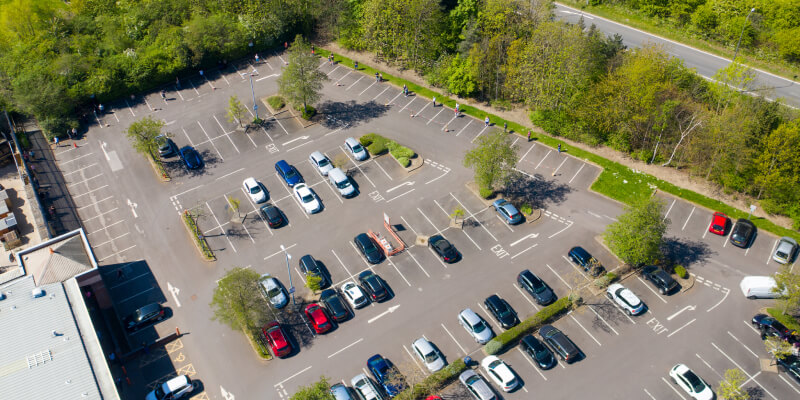
Understanding Forward Bay Parking Step by Step
Here’s what we’ll walk you through in this guide:
- How to Forward Bay Park
- Forward Bay Park Reference Points
- Forward Bay Parking on Your Driving Test
- Common Mistakes and How to Avoid Them
- Tips for Building Confidence While Parking
- Other Manoeuvres You’ll Learn
How to Forward Bay Park
Forward bay parking is exactly what it sounds like — you drive forward into a marked parking bay. It’s a core manoeuvre you’ll practise on your lessons and often one you’ll be asked to perform on your driving test. While it might look simple in theory, it takes a bit of technique and observation to get it right consistently.
Step-by-Step Guide
1. Find a Suitable Bay: Choose a space large enough and free of hazards. Taking your time to choose means fewer last‑minute corrections when you pull in.
2. Approach Slowly: Ease off the accelerator and approach at a controlled, slow speed. Parking is about speed; it’s about precision.
3. Check All Around: Look in your mirrors and check blind spots. It’s vital to be aware of pedestrians and other vehicles in car parks.
4. Position Your Car: Align your vehicle so that the front of your car approaches the bay at the right angle. It helps to leave a small gap between you and the line of adjacent bays as you start.
5. Turn Into the Bay: When your reference point (more on those shortly) lines up, turn the wheel smoothly towards the bay and drive in.
6. Final Adjustments: Once straight, centre your car within the lines and stop when you’re a comfortable distance from the boundary.
Getting the hang of this will make forward bay parking feel much more natural over time. If you find yourself struggling with accuracy, returning to the basics and repeating these steps will help. Many learners find it easier when they break it down slowly rather than trying to do everything at once. Practising forward bay parking during automatic driving lessons in Bedford gives you the chance to focus safely with an instructor guiding you.
Forward Bay Park Reference Points
Reference points are visual cues that signal when to act—like turning or stopping. They’re essential for learning any manoeuvre because they give you something to base your decisions on, rather than guessing.
Here are some common and effective reference points used for forward bay parking:
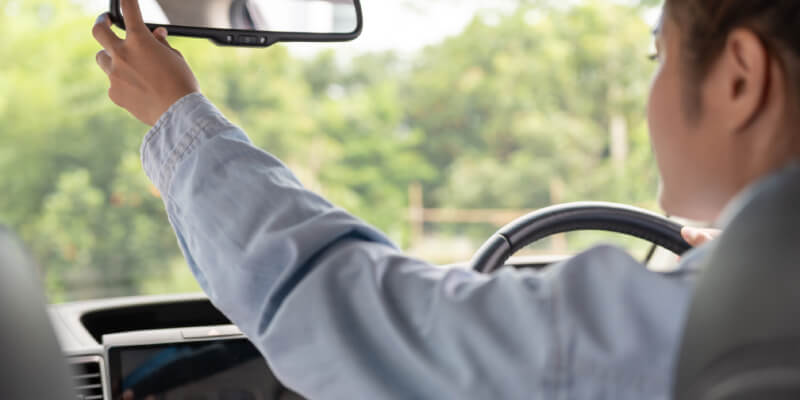
- Door Mirror Alignment: A popular reference is to start turning when your door mirror aligns with the first line of the bay you want to pull into.
- White Line Sighting: Keeping the bay lines running parallel to your windows or mirrors as you enter helps keep your vehicle centred.
- Front of the Bay Under Your Windscreen: A good stopping cue can be when the front of the bay disappears beneath your windscreen.
- Distance From Neighbouring Cars: If you’re practising in a busy car park, watch how the vehicles next to your bay line up with your position as you park.
Using reliable reference points helps you stay consistent, which is exactly what examiners and instructors are looking for. Without them, parking can start to feel like guesswork, often leading to hesitation and uncertainty. With regular practice, reference points will quickly become second nature.
It’s normal to find parking stressful when learning. Many learners feel under pressure if other cars are waiting or people are watching. Take your time; staying calm and following a routine helps you stay in control and complete the manoeuvre confidently.
Forward Bay Parking on Your Driving Test
Forward bay parking is one of the realistic manoeuvres you could be asked to complete on your practical driving test. Exams are designed to ensure you can do everyday driving tasks competently, and bay parking is one of them.
What the Examiner Will Expect
When asked to forward bay park during your test, the examiner will expect you to show:
- Good Observation: Before starting and throughout the manoeuvre, check mirrors and blind spots.
- Smooth Control: You should show control of your speed and steering.
- Proper Positioning: The car should end up roughly central in the bay, within the white lines.
- Safe Exit: Once parked, you’ll need to reverse out safely when you drive away.
The examiner may ask you to pull into a bay on either the right or the left. You won’t know which bay until asked, so practising both left and right forward bay parking is a smart move.
Knowing what to do during this part of a test helps reduce nerves and keeps your attention on execution rather than panic. For a helpful overview, you can see what happens during a driving test.
Common Mistakes and How to Avoid Them
Even with practice, learners often get a few things wrong when it comes to forward bay parking. Recognising these can make it easier to correct them early on.
Here are some of the most common ones:
- Entering Too Fast: Approaching the bay too quickly is a common issue. Rushing leads to oversteering or abrupt braking. Always slow down before reaching the space and enter at a “walking pace.”
- Misjudging Distance: Not leaving enough room or misjudging how much space you need to turn into the bay are other common issues. Use your reference points, like mirror alignment, for accurate timing.
- Hesitation: Hesitation is usually caused by a lack of confidence rather than skill, and it can quickly affect your overall performance. Hesitating makes you second‑guess, which often leads to uneven steering or braking. Practise the whole manoeuvre several times so it becomes effortless.
- Not Observing Fully: Parking isn’t just about the space in front of you — it’s about everything around you. Some learners focus only on the bay and forget pedestrians or cars approaching from behind. Always use mirrors and perform frequent head checks during the manoeuvre; these simple parking tips can help you stay aware.
Each mistake can become a minor or, if safety is compromised, a serious fault on your driving test. Practising calmly will reduce errors and boost confidence.
Tips for Building Confidence While Parking
Bay parking confidence doesn’t come overnight, but there are a few things you can do to fast‑track your progress, such as:
- Start Small: Empty car parks at quiet times are perfect for practising. With fewer cars around, you can repeat forward bay parks without pressure. Simply find a suitable row of bays and practice steering into them slowly from both sides.
- Visualise the Manoeuvre: Before driving, visualise each step. Picture the reference points and imagine the steering. This mental rehearsal helps the steps sink in over time.
- Use Cones or Markers: If practising outside lessons, use cones or markers in a line as “parked cars” for realistic practice. Instructors often use this to mimic real conditions.
- Combine With Other Manoeuvres: Practise other manoeuvres as well—reverse bay parking, reversing around a corner, parallel parking, and pulling up on the right and reversing. These are all core skills you may need for your test.
- Consider Tailored Lessons: If you’re struggling, taking lessons with our automatic driving instructors in Bedford can really help. They will provide you with constructive feedback and help you correct your mistakes. With practice, your confidence will grow, and it will feel like second nature.
Other Manoeuvres You’ll Learn
Forward bay parking is just one manoeuvre you’ll learn. You’ll also come across other manoeuvres that are equally useful:
- Reverse Bay Parking: Reversing into the space, followed by a small forward adjustment to straighten the car.
- Reverse Around a Corner: Reversing your car around a bend in the road while staying close to the curb.
- Parallel Parking: Parking between two vehicles on the side of the road.
- Pull Up on the Right and Reverse Two Car Lengths: Pulling up on the right, reversing about two car lengths, and then rejoining traffic safely.
Knowing all of these builds your confidence, even though you will only be required to perform one during your driving test. On test day, you could be asked to perform any of these, so the key is to get comfortable with all of them.
Getting It Right, Every Time
Forward bay parking may seem simple at first, but it requires good observation and practice. Once you’ve got the hang of it, it becomes a tool that you’ll use in everyday driving situations.
Beyond learning how to steer and when to turn, it’s about developing confidence and awareness of everything around you. Whether that’s pedestrians walking past your car, cyclists on the road, or other drivers pulling out of a space or road, forward bay parking combines skill and observation.
For most learners, confidence comes with repetition and instruction. Choosing automatic driving lessons in Bedford allows them to focus on control and skill without worrying about clutch or gear changes.
So take your time, practise as often as you can and remember – feedback is always useful. Forward bay parking can be challenging at first, but with time and support, it will become second nature. When you’re pulling into a busy car park in the future, you’ll appreciate having learned it early, and Drive Auto Bedford can help you build that confidence with expert instruction and guidance.